Refresh rate
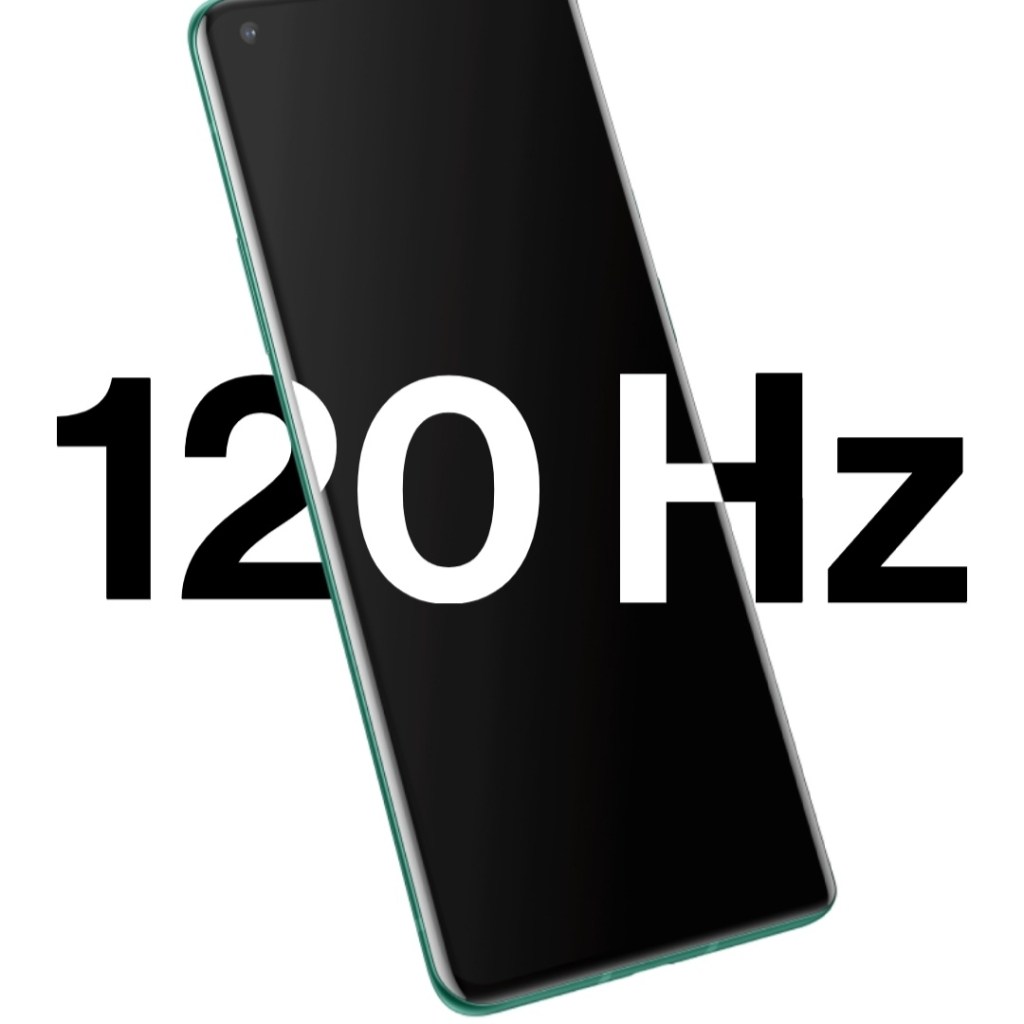
It is the number of times in a second that the display hardware updates its buffer. This is distinct from the measure of frame rate which means updating with new data. The standard refresh rate on a smartphone is 60Hz.
Higher refresh rate has been very trendy recently on smartphones. Many smartphones are showcasing higher refresh rate of their displays like 90Hz, 120Hz and 144Hz.
The advantage of higher refresh rate is that the display feels like it moves smoother compared to standard refresh rate. You may feel it only in some of the portion of the UI like scrolling, browsing and in some animations.
Touch sampling rate
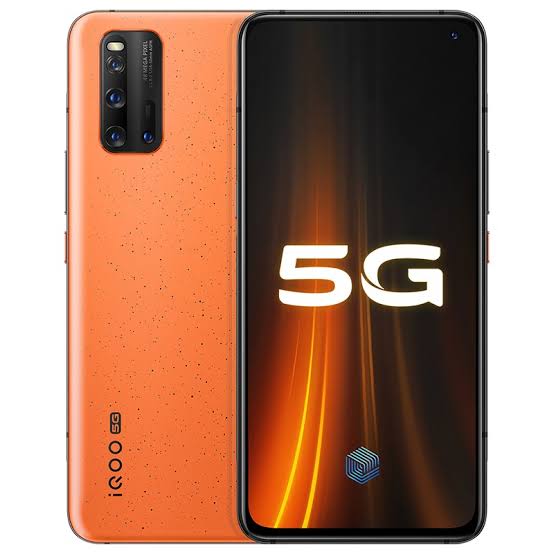
Smartphones like Iqoo 3 came in with higher touch sampling rate of 180Hz rather than higher refresh rate, so many user are confused about it.
The sampling rate can be defined as the number of times a touchscreen can sense input from your finger in a second. We can see so many smartphones come with 120Hz touch sampling rate which is standard.
Higher touch sampling rate can be very important, because due to this the cpu gets the input faster from the screen and can react faster. This comes in handy especially while gaming.
Our opinion
Higher refresh are trendy, but touch sampling rate is also important. If higher refresh rate brings smoother experience, higher touch sampling rate brings faster experience. If you get both higher refresh rate and higher sampling rate, it gives the best experience.


Leave a comment